Batch payments are a simple yet powerful way for businesses to process multiple transactions at once. Instead of sending individual transfers to employees, suppliers, or recurring accounts, batch payments allow organizations to group all these transactions into a single submission. This method saves time, reduces errors, and supports seamless financial operations, especially when paired with modern payment gateway tools and advanced payment processing solutions.
Batch payments have become increasingly popular among growing businesses. In fact, according to a recent industry analysis, over 64% of SMEs now rely on batch payment systems to manage payroll and supplier transactions. Their ability to efficiently handle large volumes of payments makes them an essential feature in today’s digital-first financial landscape.
Applications for Batch Payments in Business
1. Payroll Processing
Payroll is one of the most common uses of batch payments. Companies can process salaries for dozens, or even hundreds, of employees in one go. This reduces administrative workload and ensures paydays run smoothly. When integrated with a reliable payment gateway, businesses can automate payments directly from payroll software, minimizing delays and errors.
2. Supplier and Vendor Payments
Regular supplier payments often involve large amounts and multiple invoices. Batch payments simplify this by allowing finance teams to settle all due invoices in a single submission. By combining this with payment gateway integration, businesses can streamline approvals, manage cash flow efficiently, and maintain strong supplier relationships.
3. Recurring Transactions
Businesses frequently handle recurring payments, such as subscriptions, monthly fees, or installment-based services. Batch payment processing ensures that all recurring transactions are handled automatically at the scheduled time, improving accuracy and reducing missed payments.
Benefits of Using Batch Payments
Lower Risk of Human Error
Manually entering payment amounts or account numbers increases the chance of mistakes. Batch payments reduce this risk by consolidating all data into one automated file, especially when supported by advanced payment processing solutions.
Cost Savings
Managing payments individually requires time, workforce, and operational resources. Batch payments cut down these expenses significantly. Automation also reduces the need for manual oversight, lowering long-term operational costs.
Convenient for International Businesses
Businesses operating across borders benefit greatly from batch payments. International wire transfers can be bundled into a single action, especially when using multi-currency payment gateway integration. This avoids repetitive conversion fees and simplifies global payouts.
Time Savings
Instead of spending hours sending individual payments, finance teams can process all transactions at once. This efficiency is particularly valuable during peak payment cycles, such as month-end financial closings.
According to a financial operations study, companies that shift to automated batch payments save an average of 20 hours per month. This saved time can be reallocated to strategic tasks that grow the business.
How Batch Payments Work
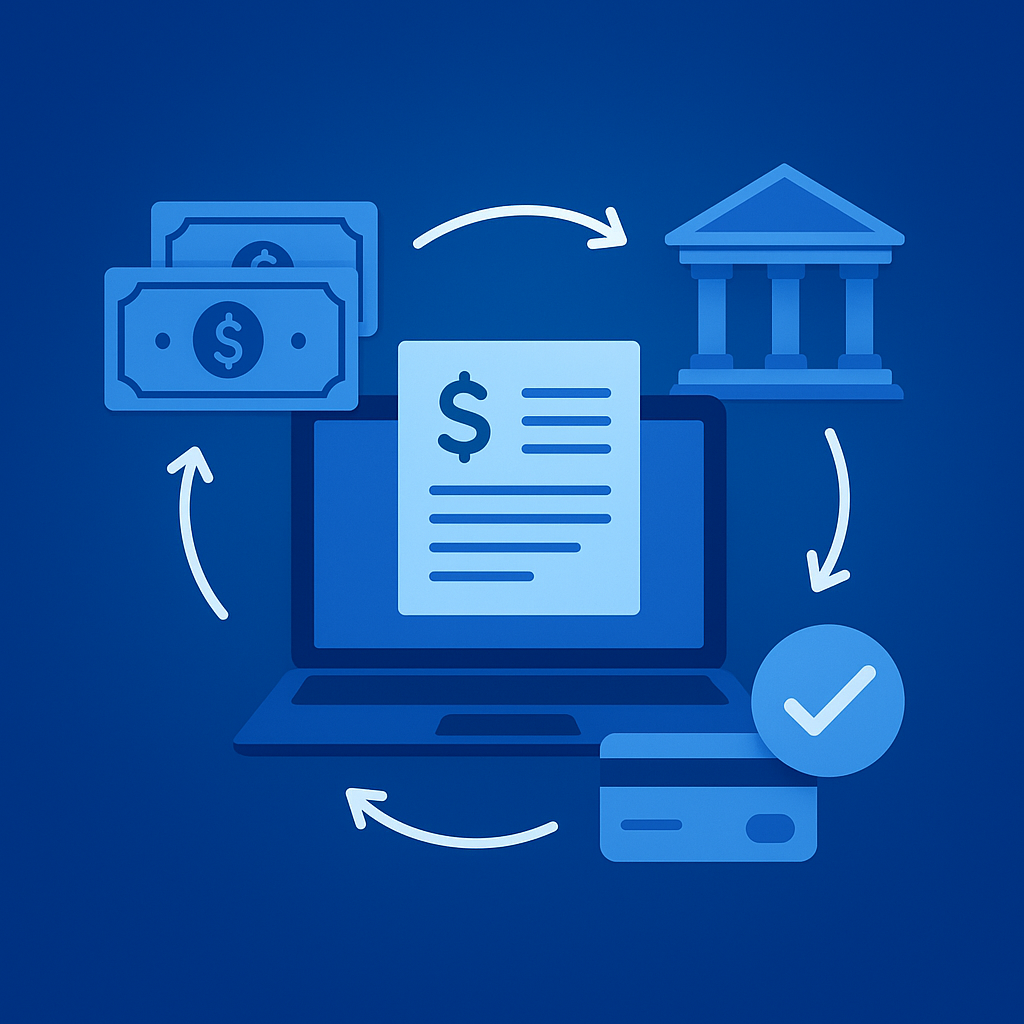
The batch payment process typically starts with a business collecting payment instructions, such as account numbers, amounts, and payment dates, and compiling them into a single file. This file is then submitted to a bank or payment gateway for processing. After verification and authorization, the gateway executes each transaction within the batch, settling them efficiently and securely.
Modern payment processing solutions add layers of security, validation, and automation. They ensure that each transaction meets compliance standards and that data is safely transmitted between systems.
Batch Payment Processing Methods
Manual Batch Processing
This traditional method involves manually preparing the data file for submission. While less automated, it works well for small businesses with fewer transactions. However, it carries more risk of human error and requires additional administrative time.
Automated Batch Processing
Automated systems integrate with accounting or ERP platforms to gather payment data instantly. Payments are processed through a payment gateway with minimal human input. Automation reduces risks, speeds up approvals, and ensures consistent payment schedules. Many cloud-based payment processing solutions now offer fully automated batch payment tools.
Technologies Used to Process Batch Payments
1. Accounting Software
Modern accounting platforms, such as QuickBooks or Xero, include built-in batch payment features. These tools can export payment files directly or integrate with gateways for seamless transaction execution.
2. Cloud-Based Platforms
Cloud-based financial tools offer real-time access, faster approvals, and secure storage. They integrate easily with payment gateway platforms and help businesses manage batch payments from anywhere.
3. Payment Gateways
A payment gateway is the core technology that executes and secures batch payments. Advanced gateways support automated file processing, fraud screening, and currency conversions. Effective payment gateway integration ensures data flows smoothly between business systems and the bank, reducing friction and errors.
How to Choose the Right Batch Payment Process
Security
Protecting financial data is the top priority. Choose systems with encryption, multi-factor authentication, and fraud monitoring.
Ease of Integration
Look for solutions that offer seamless payment gateway integration with your existing accounting, payroll, or ERP systems.
Cost-Effectiveness
Consider transaction fees, subscription costs, and any additional charges. The right solution should balance affordability and quality.
Transaction Speed
Faster processing means happier employees, satisfied vendors, and better cash flow management.
Customer Support
Reliable support ensures quick troubleshooting and uninterrupted financial operations.
Conclusion
Batch payments are an essential part of modern business finance. They streamline payroll, vendor management, and recurring transactions while reducing costs, errors, and manual effort. When combined with a powerful payment processing solution, batch payments become even more efficient, secure, and scalable.