The rise of digital wallets and tap-to-pay technology has changed how people pay, making transactions faster, simpler, and more secure. Today, businesses of all sizes are upgrading their checkout processes to support NFC and contactless transactions. Whether you’re a retailer, restaurant owner, or mobile business, understanding how an NFC Payment works and how it fits into modern payment processing solutions is essential. This guide breaks down what NFC is, how it works, and why it’s shaping the future of payments.
What Is NFC?
NFC stands for Near-Field Communication, a short-range wireless technology that enables two devices to communicate when they are just a few centimeters apart. This close-proximity design makes NFC ideal for secure transactions, ticketing, data sharing, and digital authentication. The technology forms the foundation of most modern contactless payment systems.
What Is an NFC Payment?
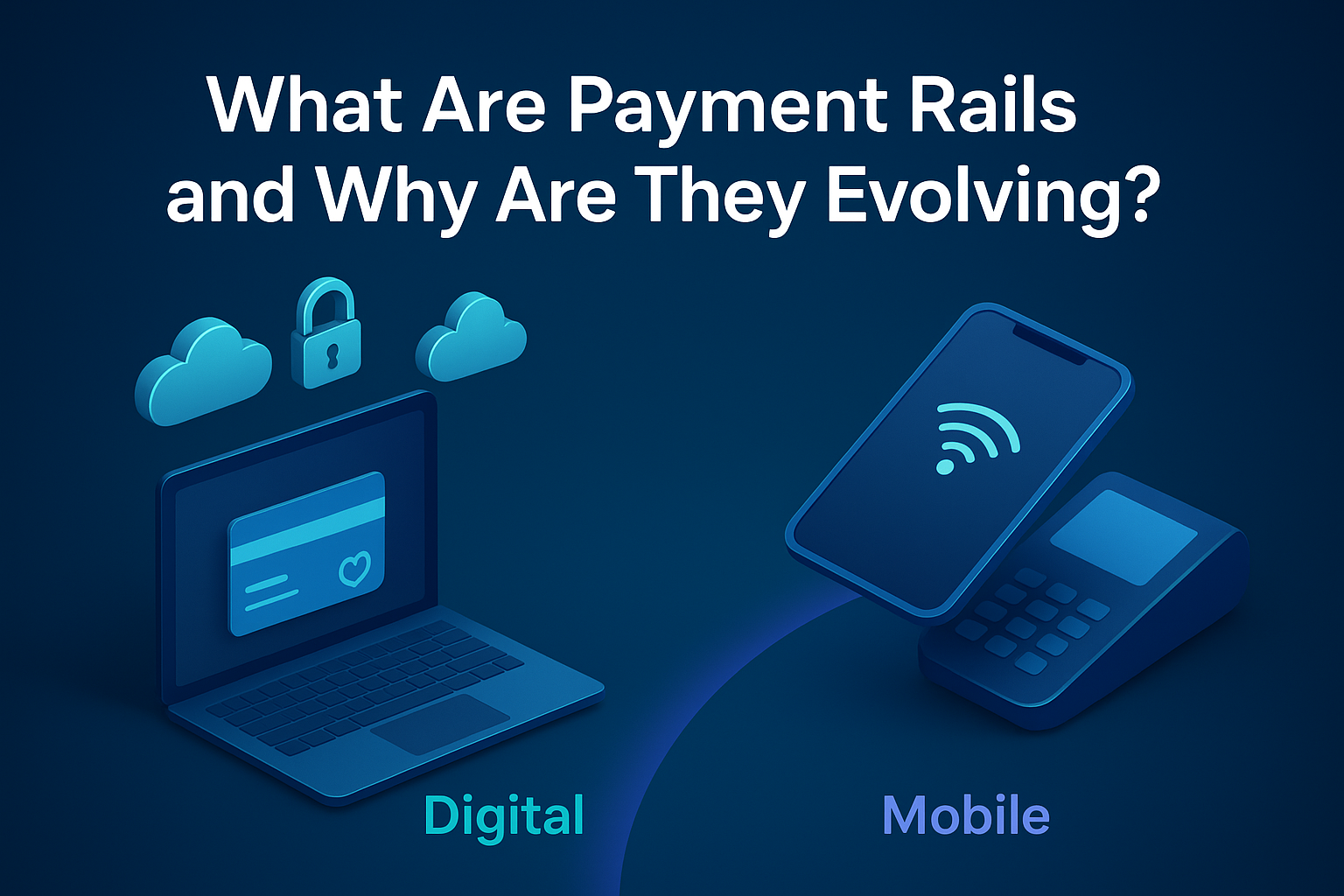
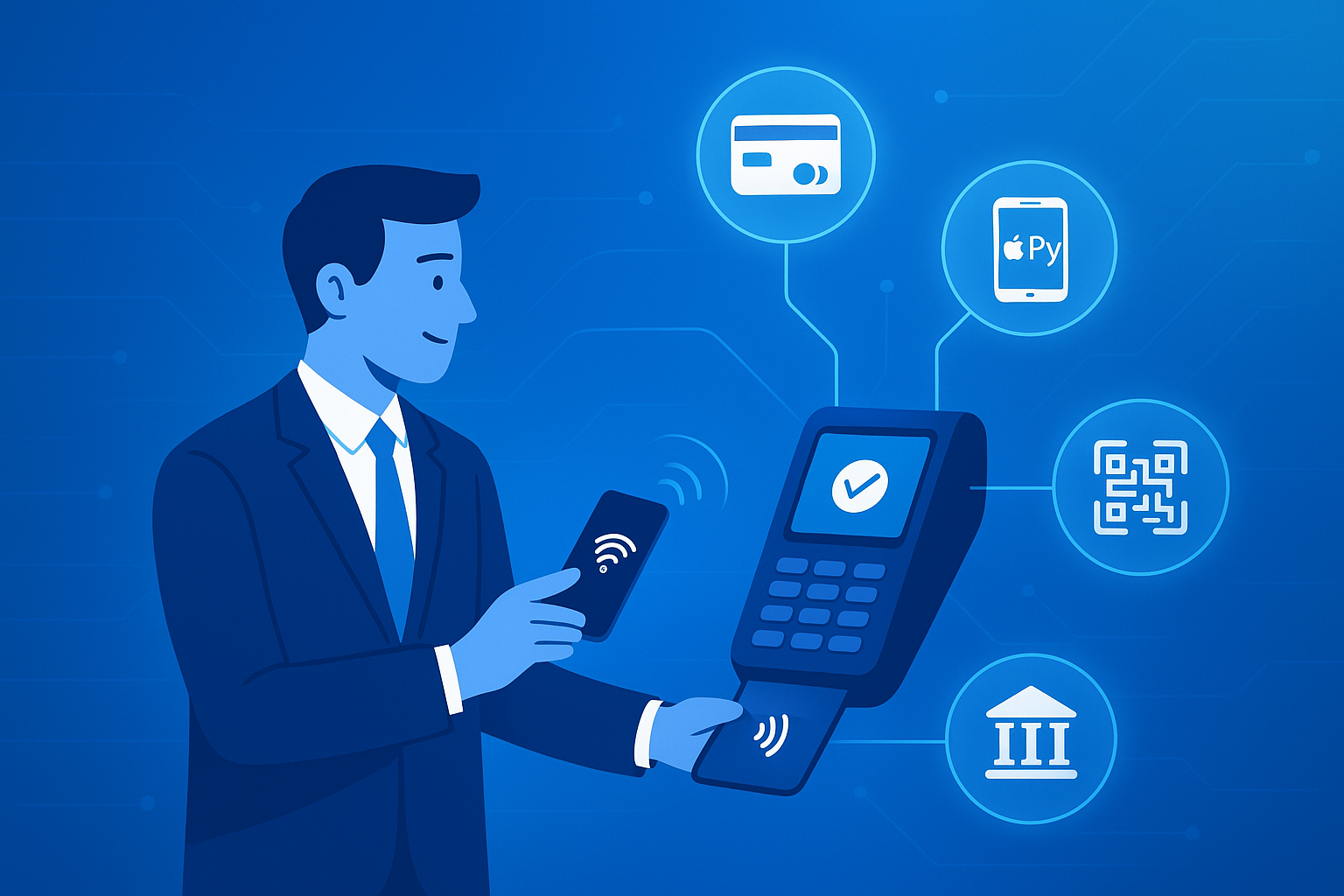
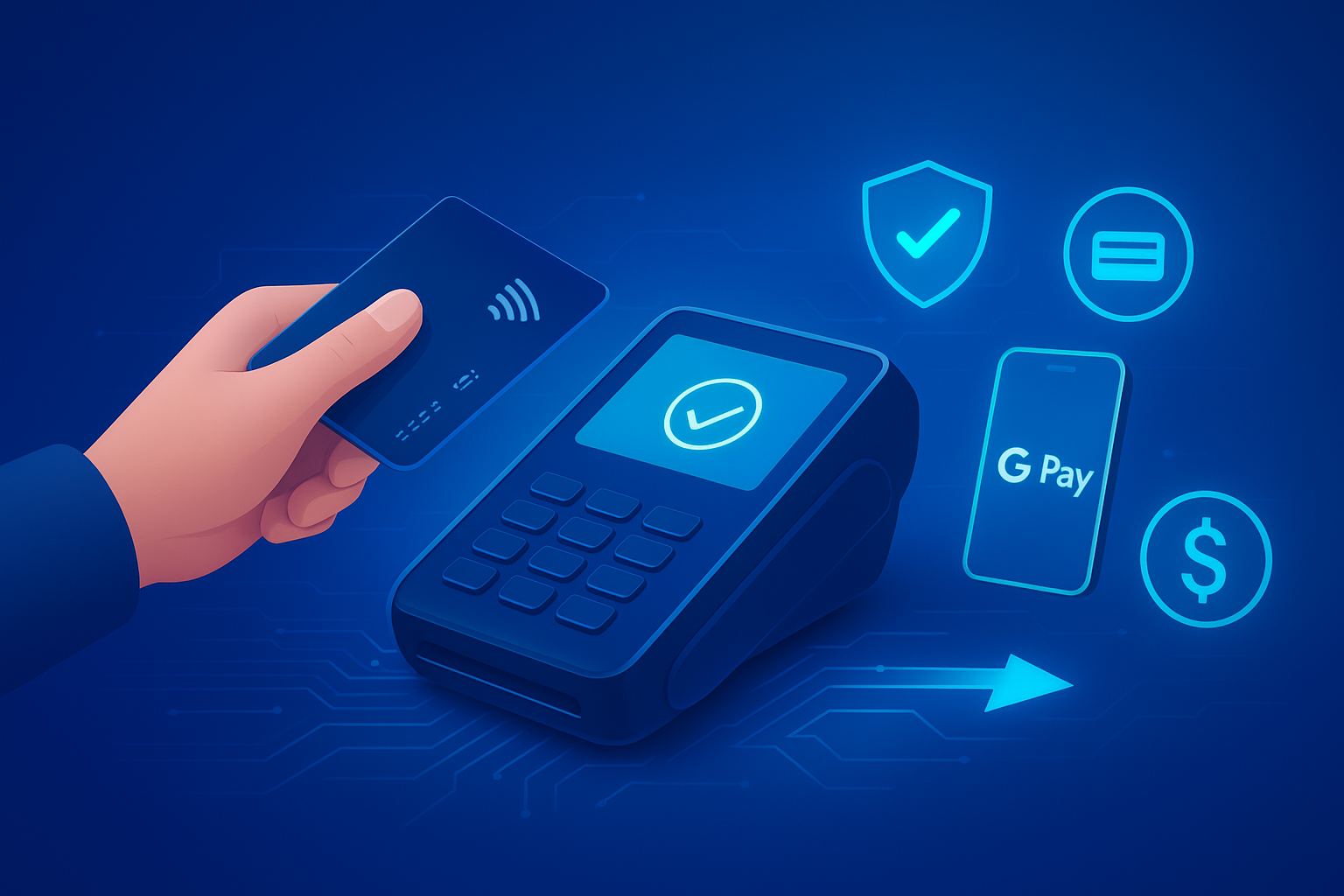
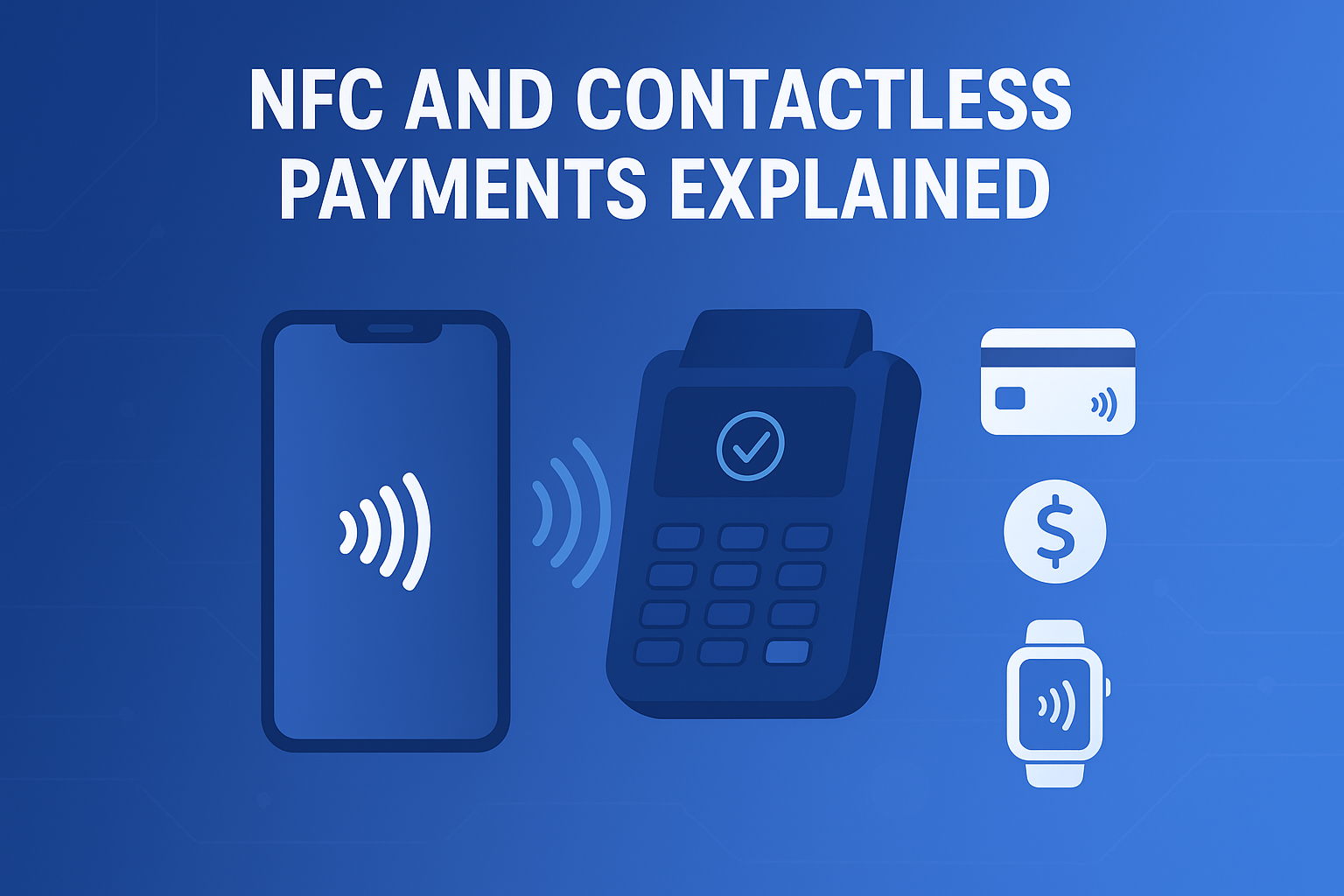
An NFC Payment is a contactless transaction made using a smartphone, smartwatch, or contactless card equipped with NFC technology. Instead of inserting or swiping a card, the customer simply taps or brings their device near an NFC-enabled terminal. These payments are fast, secure, and supported by most modern payment processing solutions, making them a preferred choice for customers and merchants.
NFC Contactless Payment Examples
Apple Pay
Available on iPhones, iPads, and Apple Watches, Apple Pay allows users to make secure NFC Payments with Face ID, Touch ID, or a passcode.
Google Pay
Google Pay works on most Android devices and integrates with loyalty programs, banking apps, and online stores, offering customers flexibility and ease of use.
Samsung Pay
Samsung Pay supports NFC technology and also works with older magnetic-stripe terminals, making it a flexible, widely compatible tap-to-pay option.
How Do NFC Contactless Payments Work?
NFC functions through three operational modes:
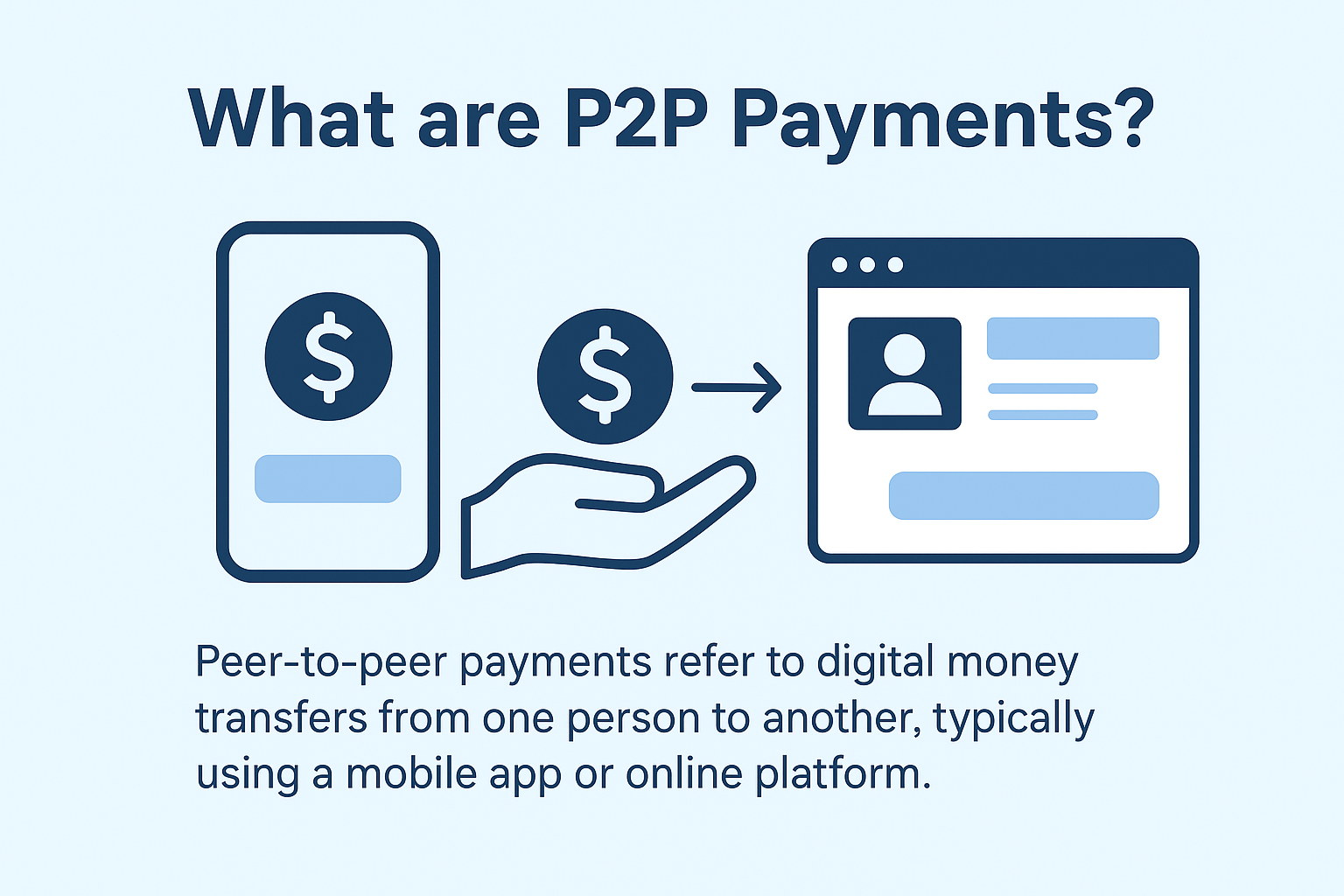
1. Peer-to-Peer
Two NFC-enabled devices exchange data, such as transferring contacts or sharing files.
2. Read/Write
A device interacts with an NFC tag to read or write data. Businesses use this for smart posters, loyalty cards, and interactive product labels.
3. Card Emulation
This is the mode used during an NFC Payment. It allows a phone or smartwatch to emulate a credit or debit card. The terminal reads the device as if it were a contactless card, enabling quick, secure transactions.
How Can Merchants Set Up NFC Payments?
Setting up NFC-ready checkout systems is straightforward when supported by the right payment processing solutions.
- Select a Payment Processor: Choose a processor that supports NFC Payments and digital wallets such as Apple Pay, Google Pay, and Samsung Pay.
- Choose an NFC-Enabled Reader: Modern POS terminals are designed to read contactless cards and mobile devices.
- Install Payment Processing Software: Your POS system requires software that integrates with your processor and supports contactless transactions.
- Connect to the Internet: A stable Internet connection allows real-time authorization of NFC Payments.
- Set Up a Merchant Account: The processor will help you establish a merchant account for accepting contactless payments.
- Start Accepting Payments: Once configured, your business can begin accepting fast and secure NFC-based transactions.
Reasons Why Businesses Should Use NFC Payments
Offering NFC Payment options provides multiple advantages for both businesses and customers.
- Easy and Convenient Payments: Customers appreciate simple tap-and-go checkout experiences.
- Speed: NFC transactions are significantly faster than chip or swipe payments. According to retail operations data, contactless payments are up to 63% quicker than EMV chip transactions.
- Faster Checkout: Shorter queues lead to smoother customer flow, especially during peak hours.
- Variety of Payment Options: Customers can pay using phones, smartwatches, or contactless cards—expanding your payment acceptance.
- Safe and Secure: NFC Payments use encryption and tokenization to protect sensitive data. A consumer payments survey shows that over 80% of users consider NFC more secure than traditional card payments.
- Paying Through Devices Is the New Normal: Mobile wallets are increasingly replacing physical cards.
- Improves Customer Engagement: Digital wallets allow businesses to easily integrate loyalty programs, rewards, and promotional offers.
- Contactless Payments Are the Future: Many countries are transitioning to tap-first payment environments, making NFC acceptance essential.
- Reduced Costs: Faster checkout and less cash handling reduce operational expenses.
Businesses That Can Use NFC Payments
NFC technology is suitable for nearly any business accepting in-person payments through payment processing solutions.
Brick-and-Mortar Retailers
Clothing stores, supermarkets, pharmacies, and electronic shops benefit from quicker checkouts.
Mobile Retailers
Delivery drivers, market stalls, and pop-up shops can accept payments anywhere using portable NFC readers.
Restaurants and Food Trucks
Quick-service restaurants and food trucks can speed up service during busy hours.
Healthcare Providers, Fitness & Recreational Facilities
Clinics, gyms, spas, and wellness centers can streamline payments while reducing contact between staff and patients.
Benefits of NFC Payments
- Convenience: Tap-to-pay transactions make checkout effortless for customers.
- Flexibility: NFC works across smartphones, wearables, and contactless cards.
- Suitable for Various Businesses: NFC Payment systems integrate easily across retail, hospitality, health, fitness, and mobile services.
- Seamless Payments: Most payment processing solutions allow quick authorization, giving customers a smooth payment experience.
- Improved Security: Tokenization, biometrics, encryption, and device-level authentication help protect financial data.
Conclusion
NFC and contactless payments are shaping the future of global commerce. As customers continue to embrace digital and mobile-led spending, businesses that adopt NFC Payment systems supported by advanced payment processing solutions will stay competitive, efficient, and ready for what comes next.