In 2025, the rapid adoption of digital payment technologies is continuing to shape the way businesses and consumers interact. One of the most transformative innovations has been contactless payment systems, which offer speed, convenience, and enhanced security. Whether you’re a business owner seeking efficient payment processing solutions or a consumer looking for easier ways to pay, understanding contactless payments is essential. This blog explores what contactless payments are, how they work, their benefits, security features, and the different types available today.
What Are Contactless Payments?
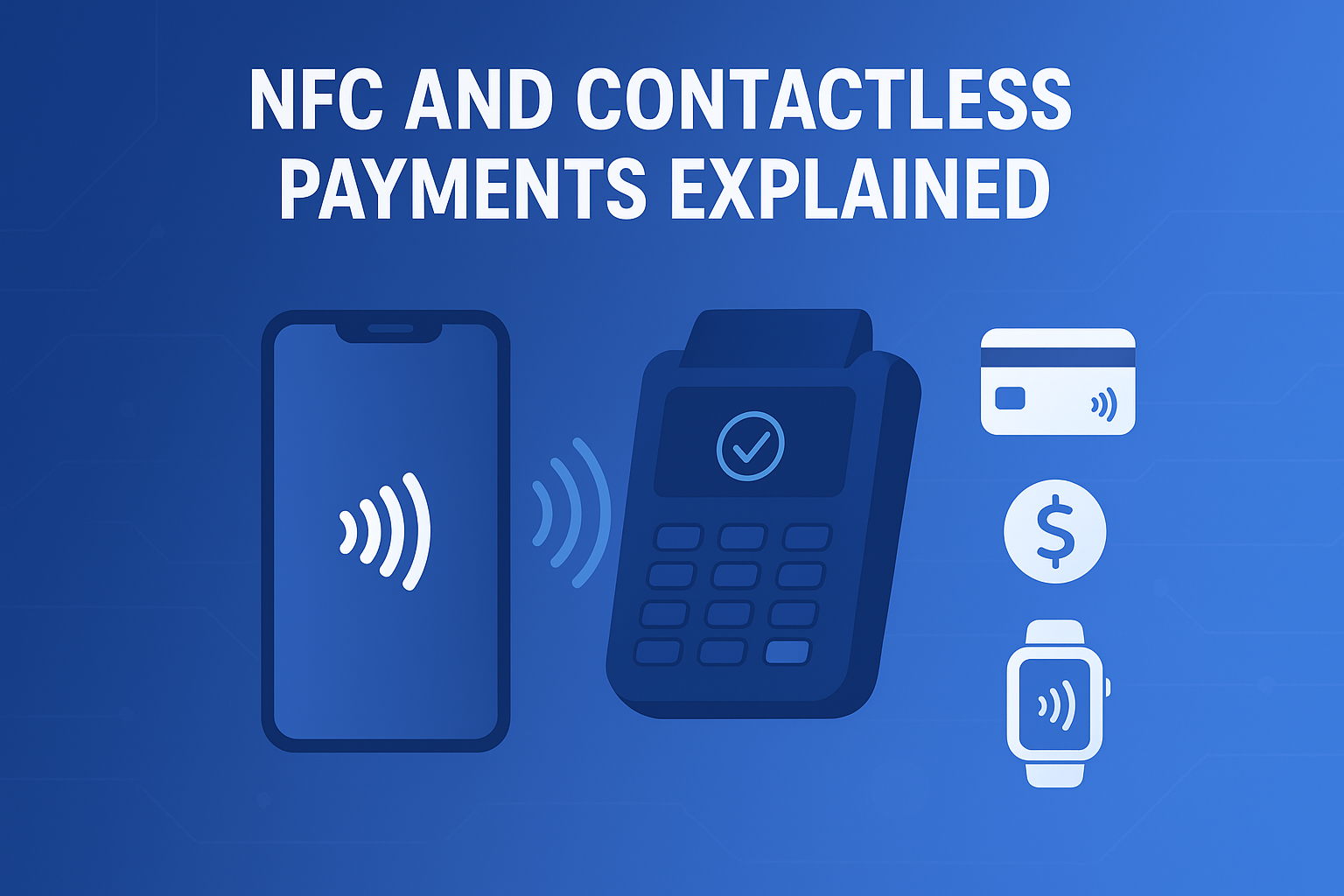
A contactless payment is a method of completing a transaction without physically swiping or inserting a card into a payment terminal. Instead, consumers simply tap their card, smartphone, or wearable device near a compatible reader. This quick and seamless process relies on advanced technology that allows devices to communicate wirelessly.
In recent years, contactless payments have evolved from a convenience to a necessity—especially with the push toward hygienic, touch-free transactions. Businesses across retail, hospitality, healthcare, and transportation now rely on payment processing solutions equipped with contactless capabilities to meet consumer demand.
How Do Contactless Payments Work?
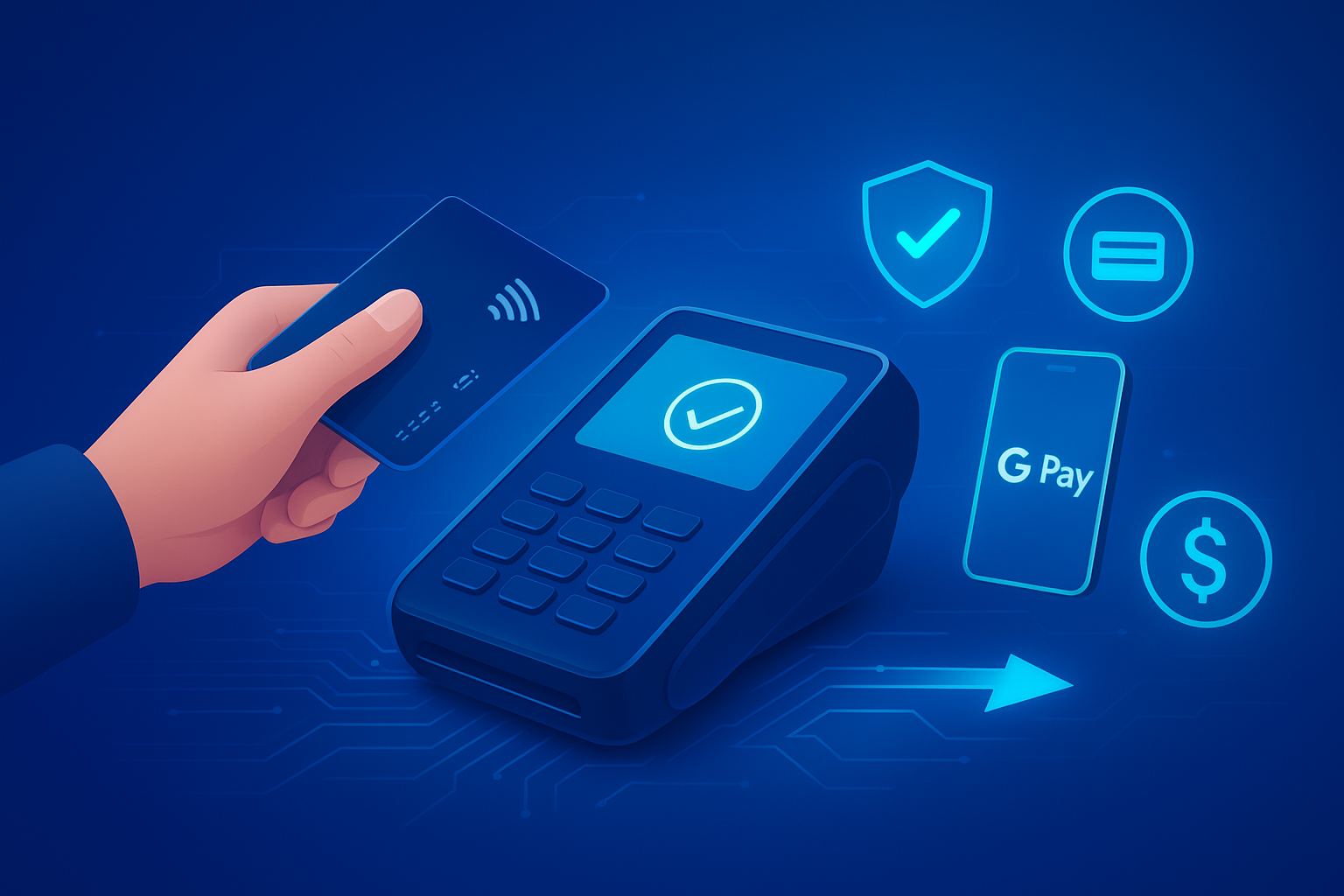
Contactless payments operate through Near-Field Communication (NFC) technology. NFC allows two devices placed a few centimeters apart to exchange encrypted data. Here’s how the process works:
The customer taps a contactless-enabled card, smartphone, or wearable device near the terminal.
- The NFC chip in the device transmits encrypted payment credentials to the reader.
- The terminal sends this encrypted information to the payment processor for verification.
- Within seconds, the transaction is approved or declined.
- The customer receives a confirmation—often instantly.
This makes contactless payment much faster than traditional magnet-strip or chip-and-PIN payments. With modern payment processing solutions, businesses can integrate these systems into their checkout process with minimal friction.
Benefits of Contactless Payments
The growing popularity of contactless transactions is driven by several compelling advantages. Here are the most significant benefits:
1. Speed and Efficiency
A major advantage of contactless payment is the speed at which it functions. Transactions typically take 1–2 seconds, making it ideal for high-volume environments such as cafés, retail stores, and transportation services.
In fact, studies show that contactless transactions are up to 10 times faster than traditional card payments.
2. Convenience for Customers
Tapping a card or mobile device is simple and intuitive. Consumers don’t need to remember PINs or handle cash. This ease of use encourages repeat business and increases customer satisfaction.
3. Enhanced Customer Experience
Businesses using modern payment processing solutions can deliver smoother checkout experiences, reduce long queues, and minimize customer frustration. This directly impacts customer loyalty.
4. Reduced Physical Contact
Contactless technology minimizes the need to touch payment terminals—making it a preferred option in healthcare facilities, restaurants, and crowded public places.
5. Fewer Cash Handling Costs
Managing cash comes with risks and operational costs. By adopting contactless payments, businesses can reduce cash management time, minimize errors, and increase financial transparency.
Why Are Contactless Payments So Secure?
Despite their speed and simplicity, contactless payment systems are highly secure. Many users assume that simpler equals riskier, but that’s not the case. Here’s why these payments are safe:
1. Encrypted Data
Every contactless transaction uses tokenization, a process that replaces actual card details with a temporary, encrypted code. This means the merchant never receives the customer’s real card number.
2. Limited Transmission Range
NFC technology only works within a very short distance (4 cm or less). This significantly reduces the chances of interception or unauthorized scanning.
3. Dynamic Authentication
Each transaction generates a unique code that cannot be reused. Even if intercepted, the data would be useless to hackers.
4. Device-Level Security
Mobile wallets such as Apple Pay, Google Pay, and Samsung Pay incorporate:
- biometric authentication,
- device-level encryption, and
- secure elements (SE) chips.
These layers make unauthorized access extremely difficult.
5. Fraud Detection from Banks
Banks and payment providers apply real-time fraud detection and automated risk scoring. According to recent industry research, fewer than 0.02% of contactless transactions result in fraud—one of the lowest rates in the payment industry.
What Are the Different Types of Contactless Payments?
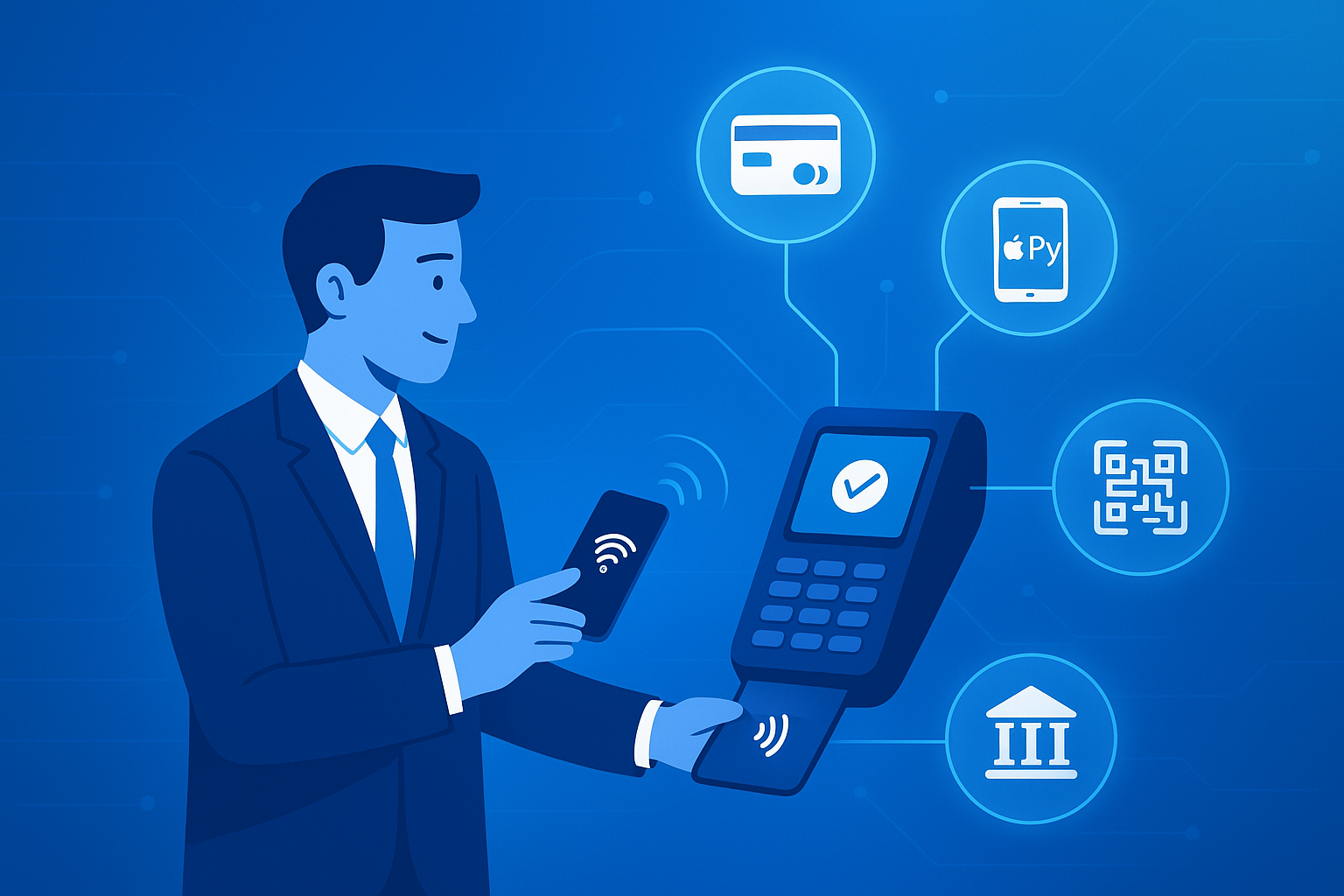
By 2025, numerous forms of contactless payment options are available, giving consumers multiple ways to make fast, secure purchases. The main types include:
1. Contactless Credit and Debit Cards
Most modern bank cards now include an NFC chip. Users simply tap their card on a terminal to complete the transaction without inserting or entering a PIN.
2. Mobile Wallets
Mobile wallets store credit or debit card data on a smartphone.
Popular mobile wallet services include:
- Apple Pay
- Google Pay
- Samsung Pay
These options pair perfectly with advanced payment processing solutions, which allow seamless integration.
3. Wearable Devices
Smartwatches and fitness trackers with NFC support can complete payments without needing a phone or card. Wearables are particularly popular for quick, hands-free payments during workouts, commutes, or errands.
4. QR Code Payments
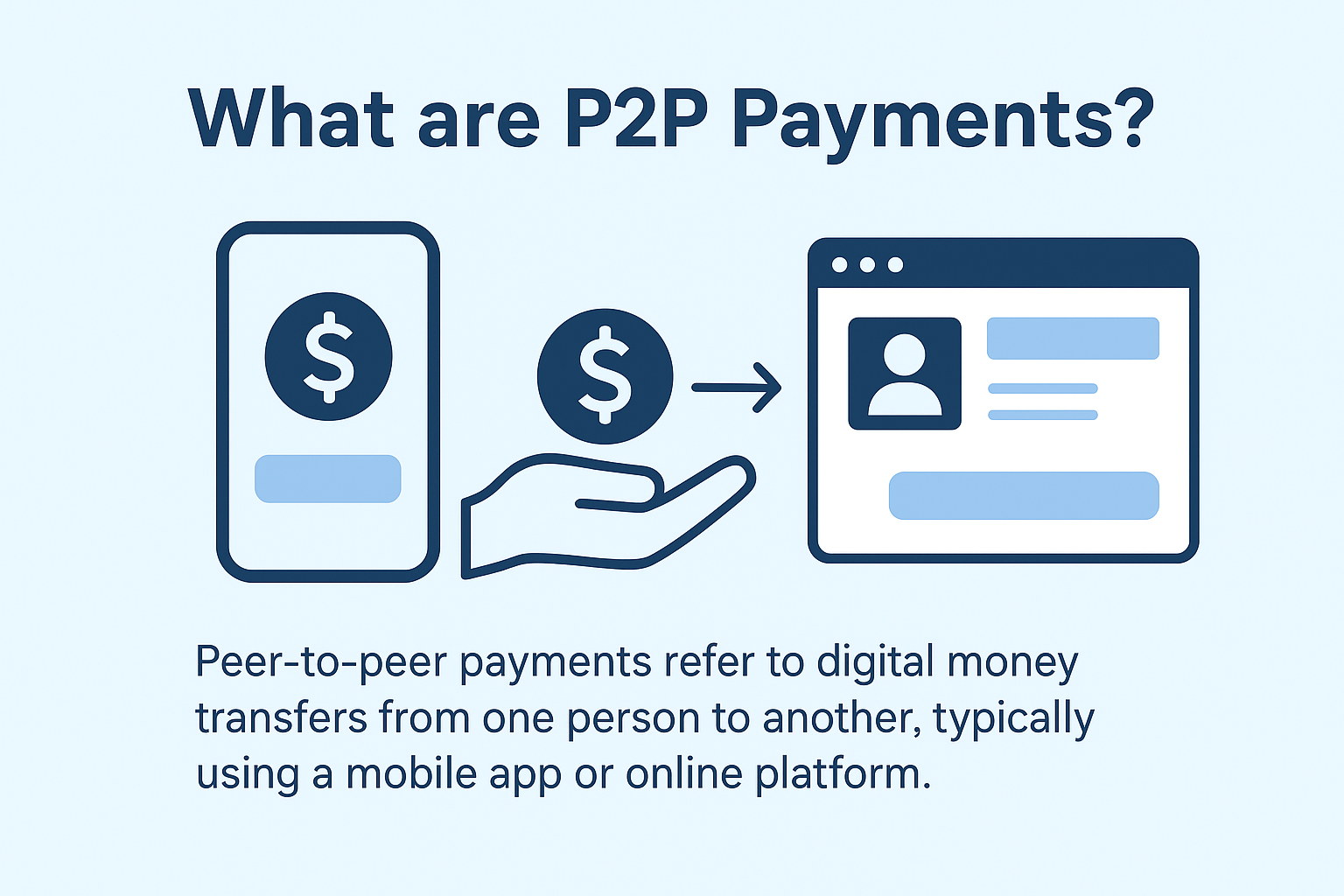
While not strictly NFC-based, QR code scanning is another form of contactless payment widely used in retail shops, delivery services, and peer-to-peer transactions.
5. Tap-to-Pay Terminals and POS Systems
Businesses equipped with tap-enabled POS systems can accept multiple forms of contactless transactions, including cards, phones, and wearables—all through integrated payment processing solutions.
Conclusion
As we move deeper into 2025, contactless payment continues to revolutionize how businesses and consumers manage transactions. With its combination of speed, convenience, and top-tier security, it has become a standard payment method across industries. Businesses that implement modern payment processing solutions gain advantages such as reduced checkout times, better customer experiences, and detailed transaction insights.
Whether you’re a business exploring new payment technology or a consumer looking for efficient ways to pay, understanding contactless payments ensures you’re ready for the future of digital transactions.