In today’s digital economy, money moves faster, smarter, and more globally than ever before. Whether a business accepts online payments, processes payroll, or manages vendor payouts, everything relies on one invisible but powerful backbone, payment rails. These rails determine how fast money moves, how secure a transaction is, and how efficiently companies can operate. As customers demand quicker and more seamless payment experiences, these systems are undergoing rapid change, and businesses must keep up.
This is where modern payment processing solutions play a crucial role. They help businesses navigate new technologies, regulatory shifts, and customer expectations. But before exploring why payment rails are evolving, it’s essential to understand what they actually are.
What Are Payment Rails?
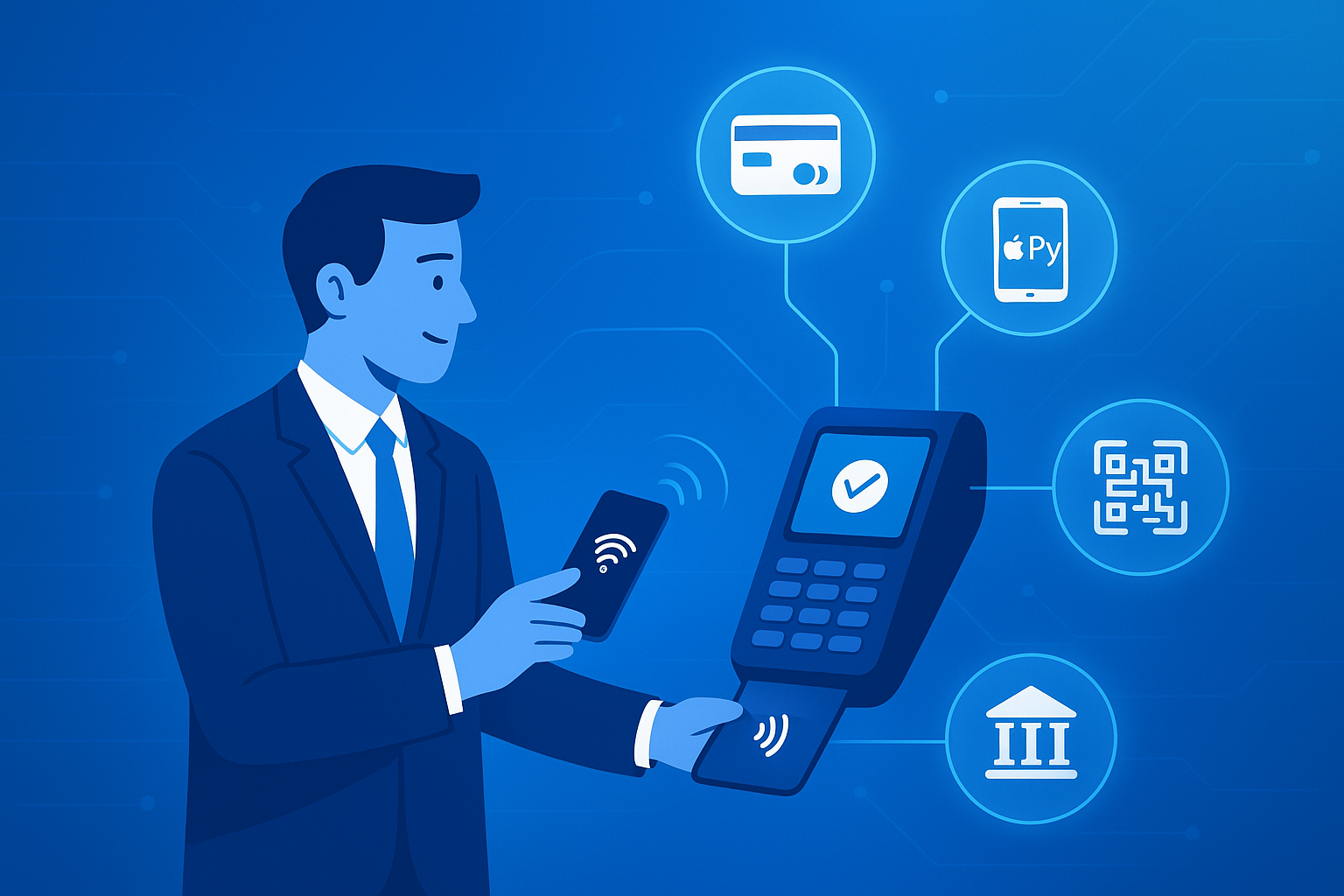
Payment rails are the underlying networks and pathways that allow financial transactions to move from one point to another. Think of them as highways that connect banks, financial institutions, fintech platforms, and businesses. Every time someone taps a card, sends money through an app, or receives a paycheck, a payment rail is working behind the scenes.
Payment rails manage:
- How long transactions take
- How much do they cost
- What level of security is required
- Whether transactions are domestic or international
Businesses rely heavily on payment processing solutions to navigate these rails efficiently and ensure smooth transactions for customers, employees, and partners.
Types of Payment Rails
There are several major categories of payment rails, each offering unique advantages and use cases.
1. Card Networks
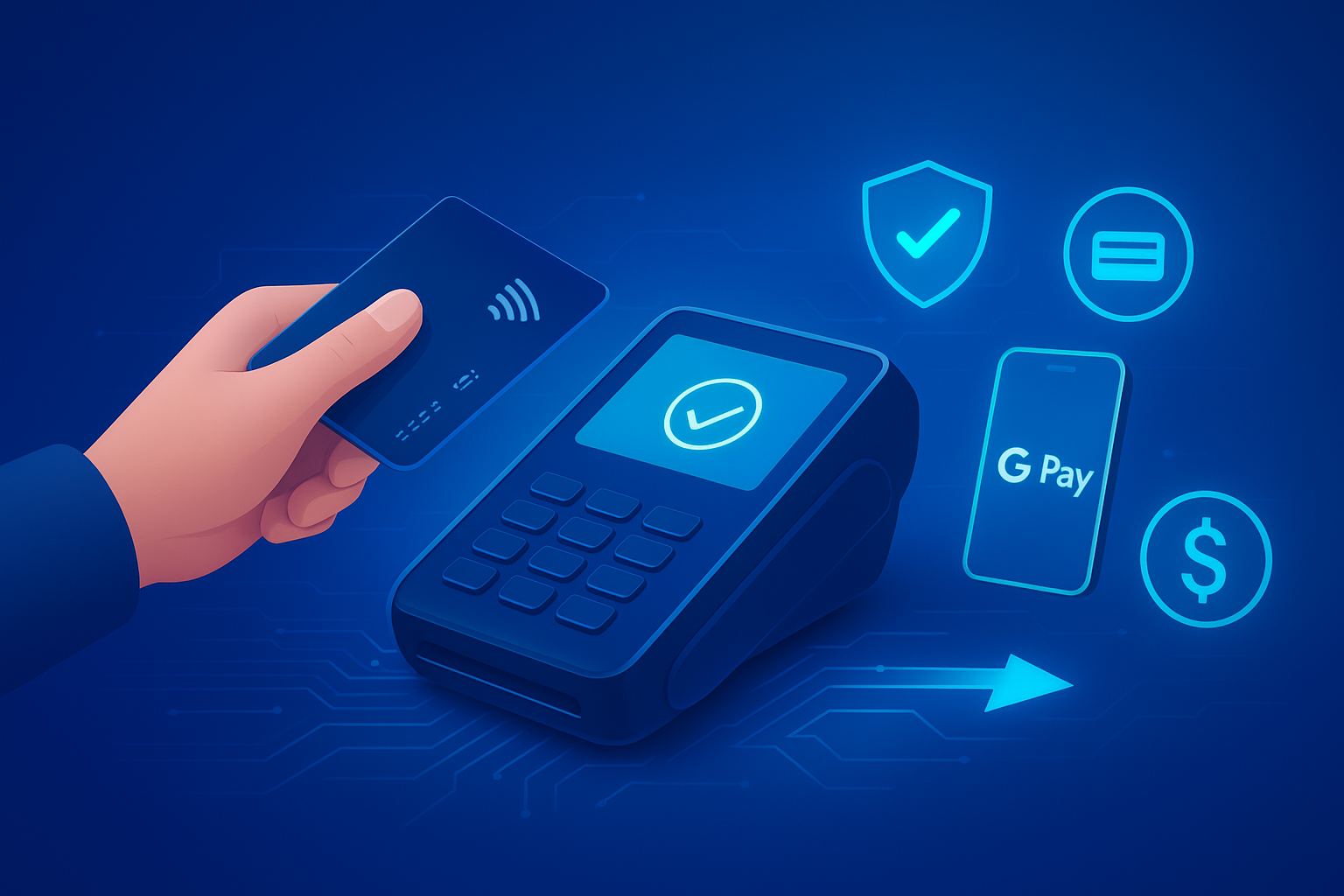
Visa, Mastercard, American Express, and Discover are well-known card rails. They handle card payments in stores and online, offering reliable, fast, and global acceptance. These networks are essential for retail, eCommerce, hospitality, and subscription services.
2. Automated Clearing House (ACH)
ACH is a bank-to-bank payment rail widely used for payroll, recurring payments, and vendor payouts. It’s cost-effective but not instantaneous. ACH is ideal for companies that rely on payment processing solutions for bulk or recurring transactions.
3. Real-Time Payments (RTP)
The rise of instant transfers has driven the demand for RTP networks. Funds settle within seconds, 24/7. RTP is increasingly used for gig-economy payouts, emergency disbursements, and instant withdrawals.
4. Wire Transfers
Wires are fast and secure for high-value transfers, especially cross-border. They’re commonly used in real estate, B2B transactions, and global commerce, though they often come with higher fees.
5. Blockchain and Cryptocurrency Rails
Blockchain-based rails offer decentralized, borderless payments with near-instant settlement. While still evolving, they’re becoming popular for international business payments and digital asset transactions.
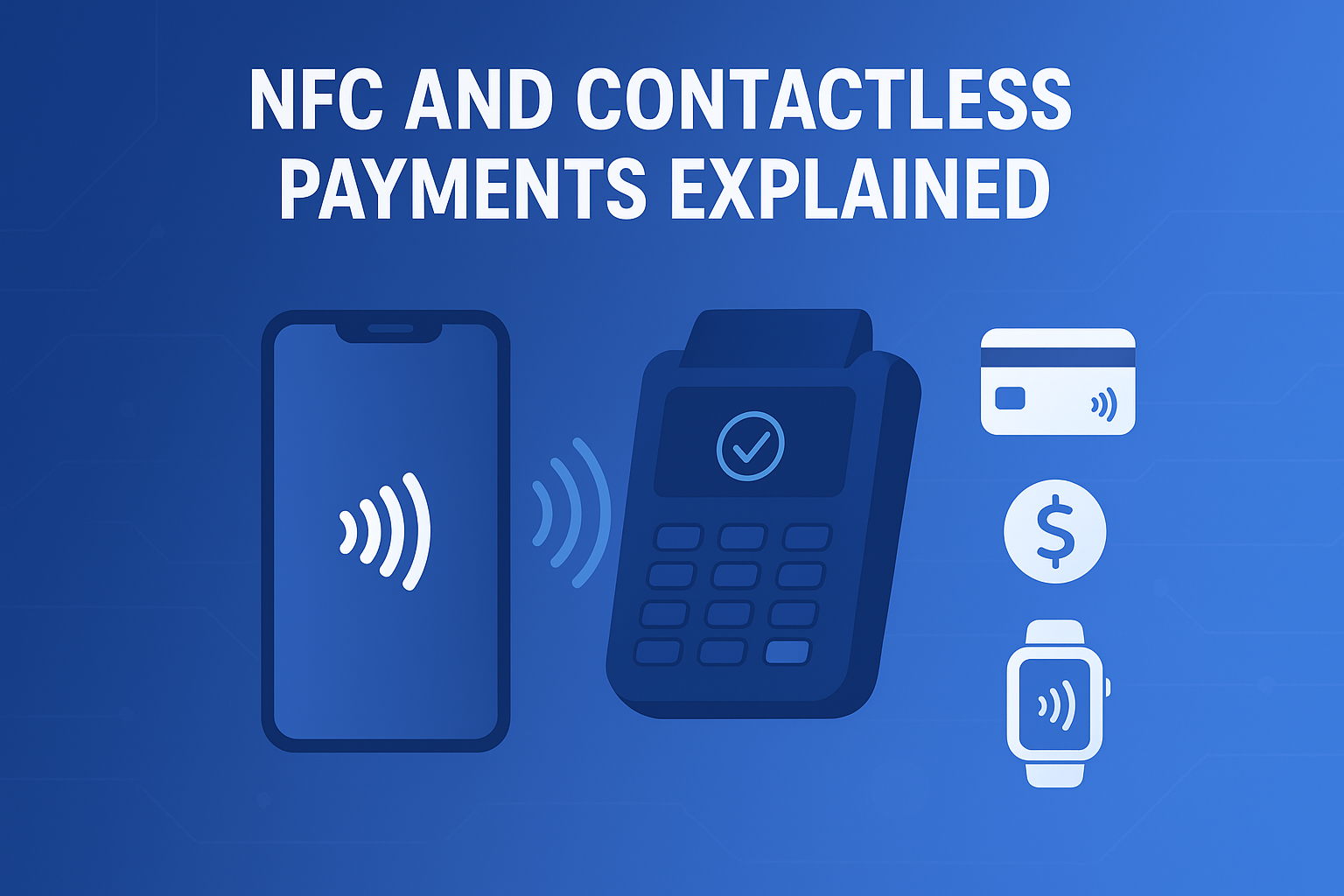
6. Mobile Payment Rails
Digital wallets, such as Apple Pay, Google Pay, and regional wallet networks, have built their own rails to streamline in-app and tap-to-pay transactions.
Each rail serves a different purpose, but all share a common goal: moving money safely and efficiently. Modern payment processing solutions help businesses integrate multiple rails to enhance flexibility and customer experience.
Why Are Payment Rails Evolving?
The payment landscape is transforming rapidly. Several forces are driving shifts in how payment rails are built, used, and optimized.
1. Customer Expectations for Speed
Consumers expect instant transfers. A recent market report found that over 65% of customers prefer merchants who support instant payments. Slow settlement times are no longer acceptable, especially for gig workers, freelancers, and eCommerce buyers.
2. Globalization and Cross-Border Commerce
Businesses operate across borders more than ever, requiring payment rails that work seamlessly in multiple currencies. Legacy rails struggle with cost, delay, and compliance issues, paving the way for modernized networks.
3. Rise of Digital Wallets and Embedded Finance
Payment rails must adapt to digital ecosystems integrated into apps, marketplaces, and platforms. Embedded finance requires fast and flexible payment processing solutions that can connect with different payment rails in real time.
4. Security and Fraud Prevention
Cyber threats push payment networks to evolve stronger authentication methods, encryption protocols, and compliance standards. The need for safer rails is higher than ever, especially as digital transactions surge.
5. Regulatory Pressure
Governments worldwide are introducing frameworks for faster payments, open banking, and consumer data protection. These regulations force payment rails to upgrade their systems.
6. Technological Advancements
Blockchain, tokenization, machine learning, and AI are reshaping how rails are designed. According to a fintech innovation survey, 73% of financial institutions are investing in next-generation payment infrastructure. These technologies make rails faster, cheaper, and more secure.
What Businesses Need to Consider
As payment rails evolve, businesses must stay strategic and adaptive. Here’s what to keep in mind:
1. Choosing the Right Payment Processing Solutions
Your payment tools must support multiple rails, ACH, RTP, cards, wires, wallets, and even crypto, depending on your audience and transaction types. A flexible solution helps future-proof your business.
2. Understanding Costs
Different rails come with different fees. Instant payments may cost more but improve customer satisfaction. ACH is cheap but slower. Businesses must balance speed with cost efficiency.
3. Payment Security and Compliance
Ensure your providers offer:
- PCI-DSS compliance
- Fraud filters
- Tokenization
- Encryption
With evolving regulations, your payment processing solutions should also support compliance automation.
4. Global Reach
If you operate internationally, verify that your system supports global rails and multi-currency transactions. Efficient cross-border payments can significantly reduce delays and costs.
5. Customer Experience
Fast, frictionless payments build trust. If your payment rails don’t meet customer expectations, it directly affects conversions, loyalty, and brand reputation.
6. Scalability
Your payment infrastructure should grow with your business. Whether you add subscriptions, global customers, or multiple storefronts, your payment systems must support increased volume and complexity.
Conclusion
Payment rails are the foundation of modern financial transactions, and they’re rapidly evolving. Businesses that adapt will enjoy faster payment cycles, global capabilities, stronger security, and happier customers. By leveraging robust payment processing solutions, companies can stay ahead of changing technology and industry expectations.