In today’s digital economy, many businesses are moving away from physical cash and embracing cashless payment methods. Implementing cashless payments can transform how you run your business, from checkout speed to customer satisfaction and operational efficiency. In this blog, we’ll explore what cashless payments are, how they differ from contactless payments, the types available, their benefits (and downsides), and practical steps for implementation.
Benefits of Cashless Payments
Switching to cashless payments offers several advantages that can help businesses scale and operate more efficiently.
It’s Faster
Cashless transactions, whether via card, mobile wallet, or payment app, are significantly faster than handling cash. Thanks to improved mobile payment technologies and modern payment terminals, average checkout times are shrinking, minimizing queues and improving the customer experience.
Safety
Operating without cash reduces the risk of theft, robbery, or loss. Digital payments are traceable and often more secure, especially when protected by encryption, tokens, or biometric verification.
Convenience
For both businesses and customers, cashless payments are extremely convenient. Customers don’t need to lug coins or worry about carrying exact change; businesses don’t need to handle cash deposits, manage change, or deal with cash reconciliation.
Discounts
Many payment processing providers, mobile wallets, and banks offer special incentives, such as cashback, discounts, or loyalty points, for transactions made with digital payment methods. Those incentives can put your business and your customers ahead.
Differences Between Cashless and Contactless Payments
Although people sometimes use “cashless” and “contactless” interchangeably, they mean different things:
Cashless payments refer to any transaction that does not use physical cash, including credit and debit cards, electronic transfers, checks, mobile wallets, payment apps, and “buy now, pay later” services.
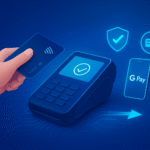
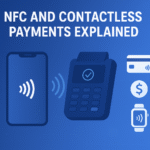
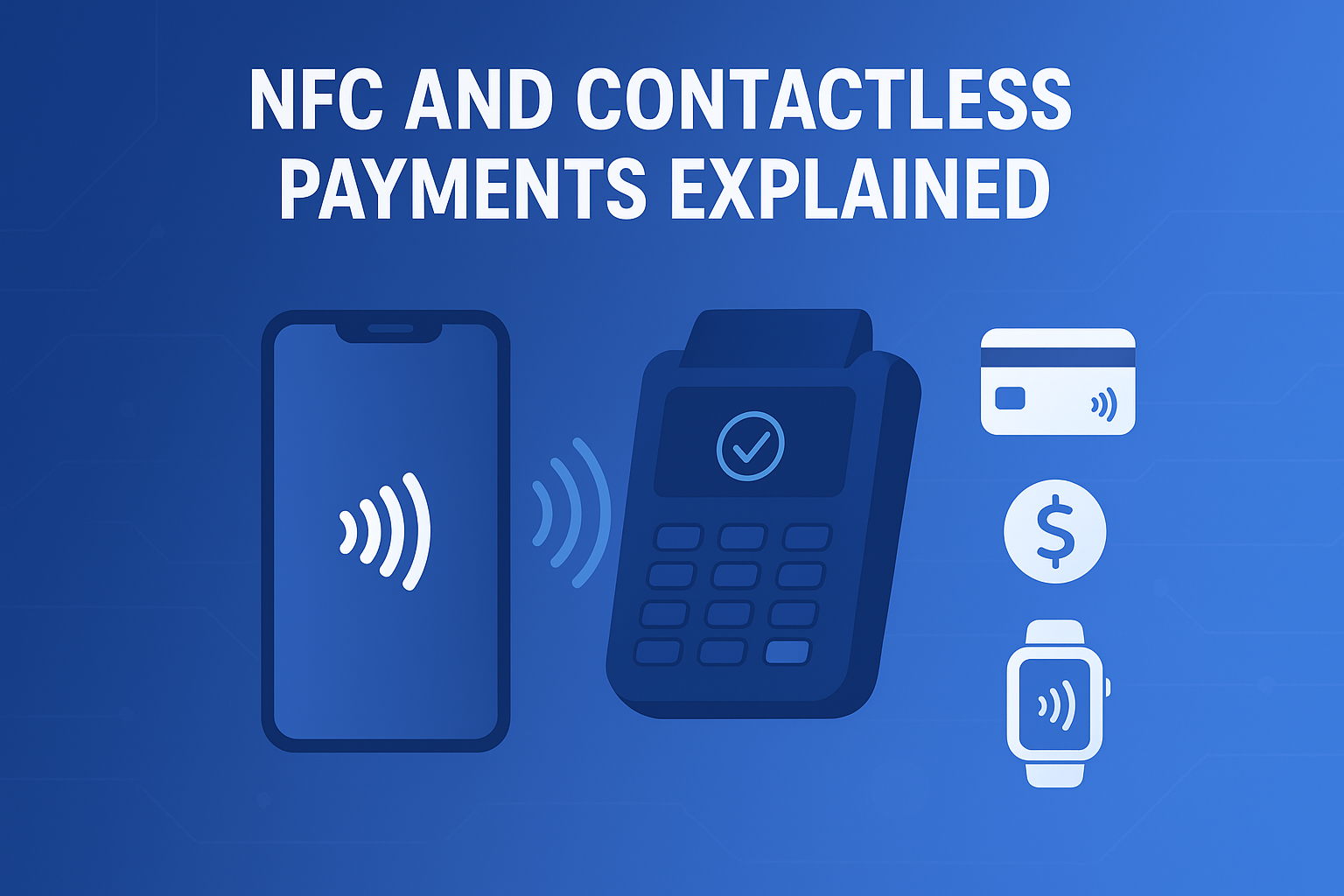
Contactless payments are a subset of cashless payments. They specifically refer to methods where a user can pay without physically inserting a card or handling cash — e.g., tapping a card or phone at an NFC terminal, using a QR code, or scanning with a wearable device.
In other words, all contactless payments are cashless, but not all cashless payments are contactless.
Types of Cashless Payments
When you implement a cashless system, you have many options. Some of the most common include:
- Credit and debit cards: Still among the most widely used forms of non-cash payment, especially point-of-sale (POS) transactions in retail.
- ACH / bank transfers: Useful for recurring payments or direct transfers from a customer’s bank account.
- Cheques: Although less popular than before, many businesses still accept checks for invoices or larger payments.
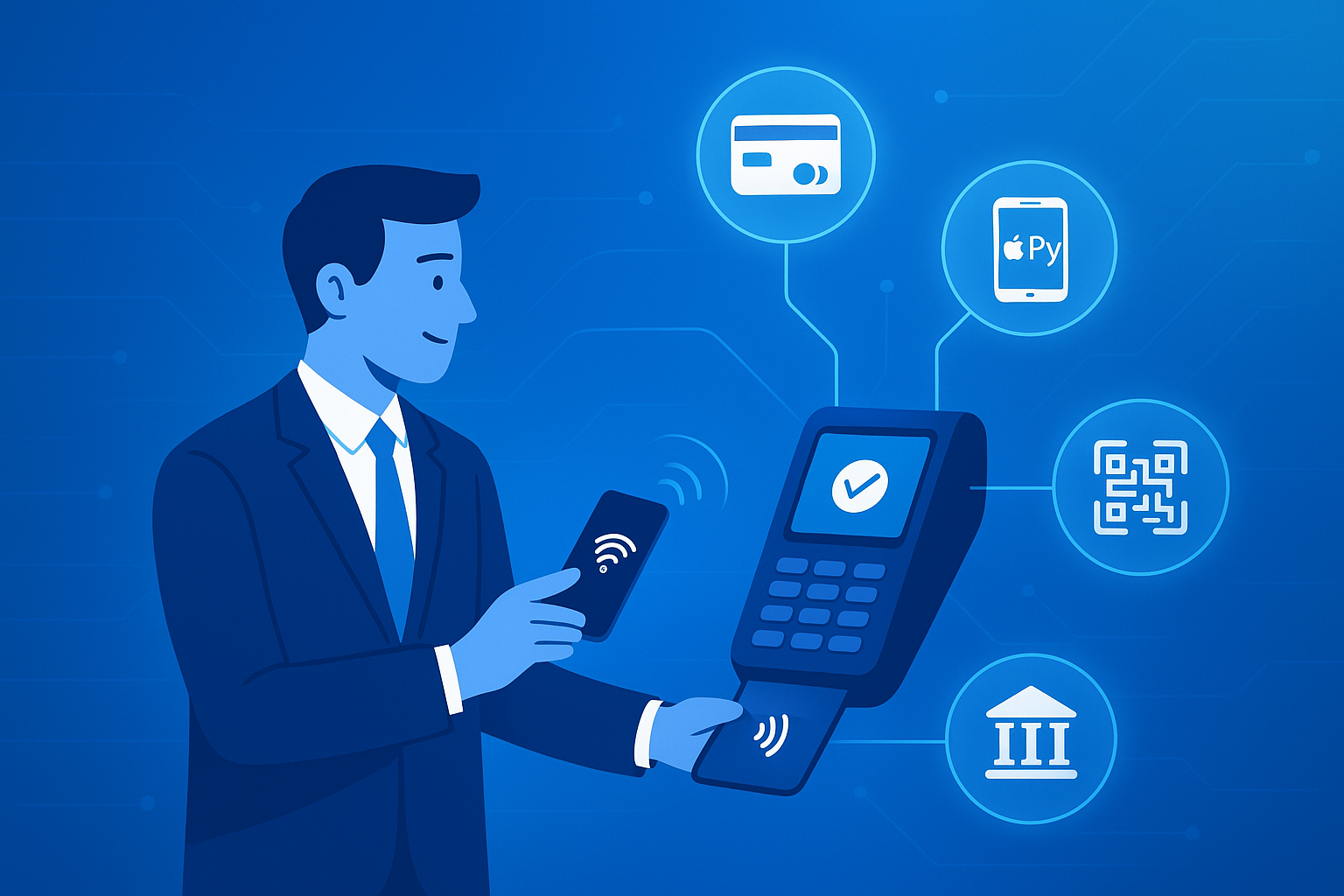
- Mobile wallets: These include services like Apple Pay, Google Pay, and regional e-wallets, which store payment credentials and let users pay quickly with their phones.
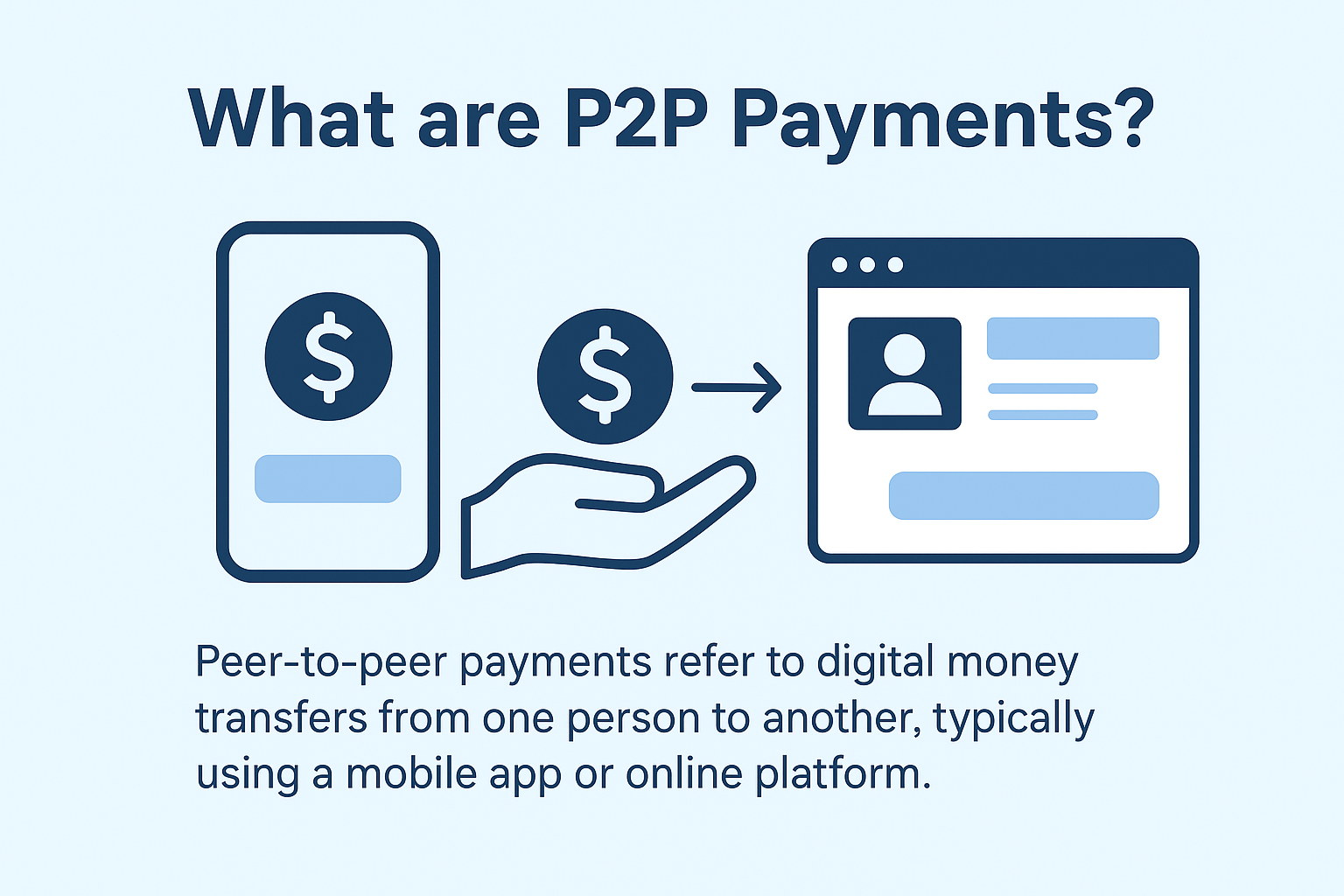
- Payment apps: Peer-to-peer (P2P) apps, fintech payment platforms, or business-specific apps that handle invoices, subscriptions, or one-off payments.
- Buy Now, Pay Later (BNPL): A growing option where customers can purchase now and defer payment, sometimes interest-free. This can increase sales, especially for larger-ticket items.
Benefits of Setting Up Cashless Payment Systems
Why should a business invest in cashless payment infrastructure? Here are the main benefits:
Cashless Payments Can Increase Revenue
Adopting cashless systems often leads to higher sales. Many customers increasingly prefer digital payments, and businesses that accept them may attract more buyers. According to a recent global study, over 89% of POS transactions in 2025 were cashless.
This shift means businesses without cashless options risk alienating a large portion of potential customers.
Cashless Transactions Provide Valuable Insight
Digital payments produce data, and data is powerful. With a cashless payment system, you can track purchasing behavior, most popular payment methods, peak buying times, and customer demographics. This insight helps you tailor marketing, manage inventory, and streamline operations.
Increased Efficiency During Checkout
Cashless payments speed up checkout, reduce human error (e.g., counting change), and cut down on reconciliation and cash handling after hours. Some contactless payments are reported to be up to 60% faster than chip-based card payments.
Faster checkouts translate to shorter lines, happier customers, and more throughput, especially in busy stores.
Disadvantages of Setting Up Cashless Payment Systems
While cashless payments bring many benefits, there are trade-offs. Businesses need to plan carefully to mitigate them.
Technological Learning Curve
Some cashless methods require new hardware (e.g., POS terminals), software, or training for staff. Small businesses or those unfamiliar with digital payments may struggle during the transition.
Dependence on Infrastructure
If there is an outage, for example, the internet is down, or the POS system fails, cashless payments cannot be processed. Without a cash fallback (or redundant systems), that could freeze sales entirely.
Fees: Cash is Still Free
Most card, mobile wallet, or payment-app transactions involve processing fees for merchants, a percentage of the transaction value, or a fixed fee. Cash, by contrast, doesn’t incur such fees, which can make it more cost-effective for small or low-margin businesses.
How to Implement Cashless Payments: Practical Steps for Your Business
If you are convinced cashless payments are right for your business, here is a rough roadmap:
- Choose the Right Payment Partner: Evaluate different payment processing solutions and fintech providers. Consider transaction fees, ease of integration, security features, and available payment methods (cards, wallet, bank transfer, BNPL).
- Invest in Hardware/Software: For in-store payments, you’ll likely need POS terminals that support cards, NFC, or QR code scanning. For online sales, ensure your website or app supports digital payments and integrates with your payment provider.
- Enable Mobile Payment Support: Given the rising popularity of digital wallets and payment apps, ensure your system supports common mobile methods. This is where mobile payment technologies shine, from NFC to QR to app-based processing.
- Train Your Staff: Educate your team on how to handle cashless transactions, troubleshoot common issues (network, failed payments), and offer customers assistance.
- Communicate With Customers: Let customers know you now accept cashless payments and highlight the benefits, faster checkout, convenience, security, maybe even discounts or loyalty perks.
- Monitor Performance: Use the data from digital transactions to track sales trends, payment method preferences, peak hours, and customer behavior. Use these insights for marketing, inventory planning, and operational improvements.
- Have a Contingency Plan: Prepare for outages, maybe retain some cash option, or have backup payment terminals, or alternate payment methods (e.g., manual bank transfer).
Why Modern Payment Processing Solutions & Mobile Payment Technologies Matter
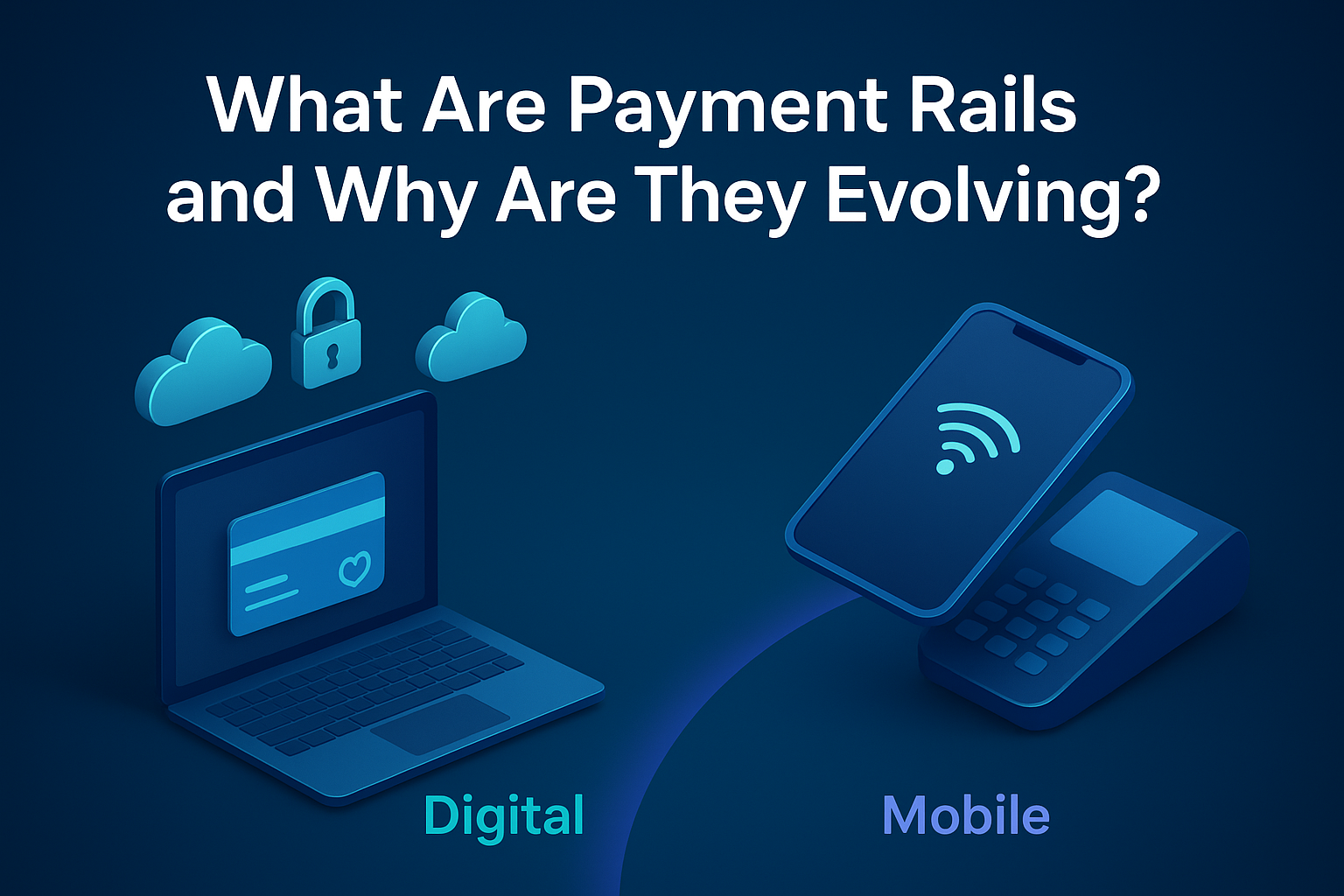
Modern payment processing solutions integrate multiple payment methods under one platform, including cards, bank transfers, mobile wallets, and BNPL, giving businesses flexibility with minimal setup. Meanwhile, mobile payment technologies (NFC, QR codes, secure wallets) make it easy for customers to pay quickly, reliably, and securely.
As adoption grows, businesses that embrace these technologies early are likely to benefit the most. For instance, global data show that mobile wallet usage is rising steeply; by 2025, mobile wallets are forecast to account for over 55% of all global e-commerce payments, and as many as 4.8 billion people worldwide are expected to use mobile wallets by then.
That means if your business does not accept digital payments, you risk missing out on a rapidly expanding consumer base.
Conclusion
Implementing cashless payments in your business can seem like a big step, but it’s increasingly becoming not just an option, but a necessity. From faster checkouts and improved convenience to valuable data and higher revenue potential, the benefits are compelling. Leveraging robust payment processing solutions and modern mobile payment technologies can help you stay competitive and meet customer expectations in today’s fast-evolving marketplace.
That said, it’s important to plan carefully, account for technological hurdles, system reliability, and the costs involved. With the right partner, tools, and strategy, cashless payment systems can be a powerful engine for growth and efficiency in your business.